
A blog about internet marketing, website positioning and related topics.

Is SEO Dying? An Expert Analysis of Search Engine Changes in the Age of Artificial Intelligence (AI)
Introduction
For over two decades, SEO (Search Engine Optimization) has been the foundation of online marketing. However, in recent years, there have been voices suggesting that SEO is losing its importance. The rapid development of artificial intelligence, changes in search results presentation, and evolving user behavior have led many experts to ask: is SEO truly fading away?
The answer is complex. SEO isn't disappearing, but it is undergoing a significant transformation.
Why have predictions of the “death of SEO” been made?
There are several key reasons that have contributed to the popularization of this topic in the marketing industry.
- AI-powered search
Modern search engines increasingly utilize generative AI models that directly respond to user queries. Instead of a traditional list of links, users receive a ready-made answer generated by an algorithm.
Such solutions result in:
- fewer clicks on websites,
- concentration of the movement on a few authoritative sources,
- a change in approach to content optimization.
- The Development of Zero-Click Search
More and more search queries are resolved without visiting a website. Users receive answers directly in search results thanks to:
- featured snippets,
- knowledge panels,
- AI responses,
- maps and local business cards.
For many informational queries, this means a drop in organic traffic.
- Changing user behavior
Users are increasingly using alternative sources of information, such as:
- social media,
- video platforms,
- AI chatbots,
- voice search.
In many industries, younger generations prefer to search for information directly in social media apps instead of traditional search engines.
Why is SEO still crucial?
Despite the changes taking place, SEO is still one of the most important channels for acquiring internet traffic.
- Search engines remain the main source of information
Billions of search engine queries are executed daily. Despite the evolving presentation of results, users still need credible sources of information that algorithms can cite or recommend.
- Content is the foundation of AI algorithms
AI models that generate answers rely on existing content on the web. High-quality, authoritative, and expert sites remain a key component of the search ecosystem.
This means that:
- valuable expert articles,
- industry data,
- analyses and reports
remain extremely important for online visibility.
- SEO is evolving towards response optimization
There is increasing talk of new approaches, such as:
- AEO (Answer Engine Optimization) – optimization for answer engines,
- GEO (Generative Engine Optimization) – optimization for generative search engines.
The goal of these methods is to increase the likelihood that a given piece of content will be used as a source of an AI-generated response.
How is SEO changing in practice?
SEO transformation covers several key areas.
- Greater emphasis on authority and expertise
Algorithms increasingly prioritize expert-created content and highly reputable sites. In practice, this means building:
- brand credibility,
- recognition of authors,
- quality link profile.
- Optimization for user intent
Traditional approaches based on optimizing for specific keywords are giving way to analyzing search intent. Understanding:
- what the user is actually looking for,
- at what stage of the decision is it,
- what form of content best suits his needs.
- Integrating SEO with other marketing channels
Modern marketing strategies combine SEO with:
- content marketing,
- social media,
- video marketing,
- public relations.
Online visibility becomes the result of a comprehensive brand presence strategy, not just technical website optimization.
What will SEO look like in the future?
The most likely scenario is the further evolution of SEO, not its disappearance.
You can expect:
- a greater role for artificial intelligence in data analysis,
- the growing importance of content quality,
- stronger emphasis on authority and reputation,
- SEO integration with user behavior analysis.
Companies that adapt their strategies to these changes will continue to successfully acquire organic traffic.
Conclusions
SEO is not disappearing – it is evolving.
The era of simple optimization techniques based solely on keywords is slowly coming to an end. It's being replaced by a more advanced approach based on:
- quality of content,
- expertise,
- understanding user intentions,
- integration with modern AI technologies.
For companies and marketing professionals, this means one thing: SEO will remain important, but it will require significantly greater strategic knowledge and a qualitative approach to content creation.
Add a comment to the article:
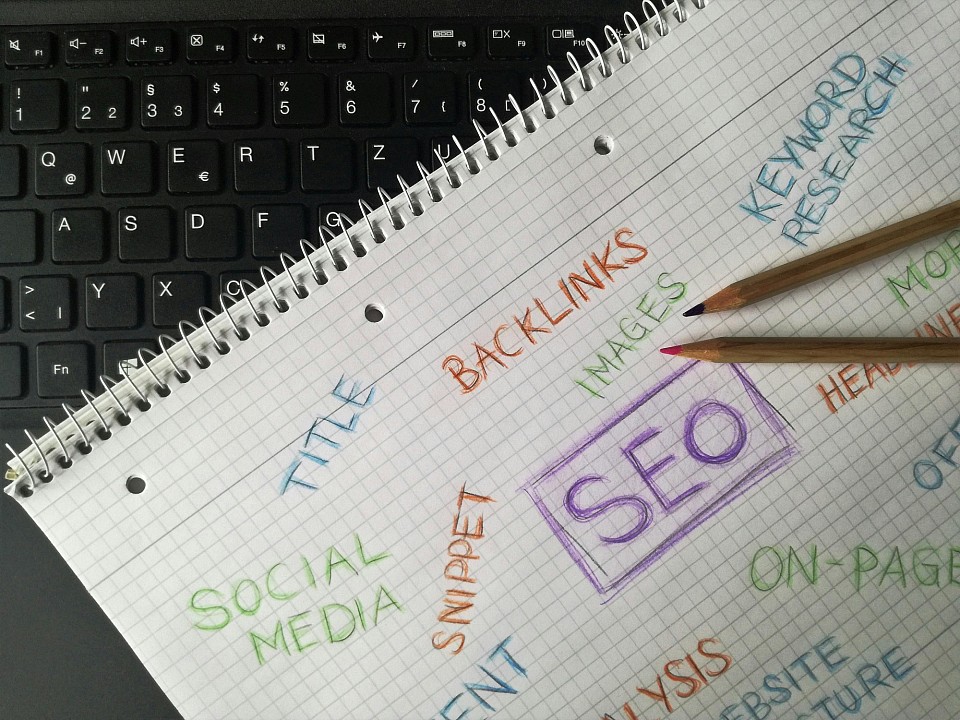
Local SEO Automation – Effective Tools to Increase Local Visibility
Local SEO is currently a key customer acquisition channel for businesses operating in the regional market. Restaurants, law firms, medical practices, service companies, and brick-and-mortar stores increasingly compete for the attention of users seeking services in their area. Automating processes related to local visibility optimization significantly increases the effectiveness of marketing activities, shortens task completion times, and ensures the consistency of company information online.
Implementing the right local SEO automation tools allows for systematic management of company listings, monitoring customer feedback, monitoring search engine rankings, and optimizing content for local queries. This article discusses key areas of local SEO automation and tools that support increasing company visibility in search engines.
What is Local SEO and Why Automation Matters
Local SEO is the process of optimizing a company's presence in search results for queries that contain a geographic component, such as:
- "dentist Warsaw"
- "car mechanic nearby"
- "Italian restaurant downtown"
Search engine algorithms consider many factors when ranking local results. The most important include:
- consistency of company information in various directories (NAP – Name, Address, Phone),
- optimization of the company's business card,
- number and quality of customer reviews,
- local links leading to the site,
- website content tailored to local queries,
- user activity.
Manually managing these elements can be time-consuming, especially for companies with multiple locations. Automation allows you to streamline processes and maintain complete control over every aspect of your local SEO strategy.
Automation of company business card management
The basis for local visibility is a properly configured business card in the service:
Google Business Profile
These are the company business cards that are displayed in the so-called "Local Pack", a set of local results that appear above the classic organic results.
What can be automated
Business card management automation includes:
- updating opening hours,
- publishing local posts,
- responding to customer feedback,
- monitoring changes in company data,
- analysis of impression and click statistics.
Tools supporting automation
One popular solution is:
BrightLocal
The platform allows you to manage multiple listings simultaneously, monitor opinions and analyze local rankings.
Another tool is:
Whitespark
Whitespark allows you to automatically manage your company information in online directories and control the consistency of your NAP data.
Automatic customer feedback management
Customer reviews have a significant impact on local rankings and user purchasing decisions. Businesses with more positive reviews are more likely to appear in local results.
Feedback automation primarily includes:
- sending automatic feedback requests after the service is completed,
- monitoring new reviews,
- automatic notification of negative reviews,
- generating online reputation reports.
One of the tools specializing in opinion management is:
Birdeye
This system automatically collects opinions from multiple platforms and enables their comprehensive analysis in a single panel.
Automation of local position monitoring
Monitoring keyword positions is crucial for assessing the effectiveness of your SEO strategy. In local SEO, it's crucial to check rankings for specific locations.
Automatic ranking tools allow you to:
- monitoring positions in different cities,
- analysis of changes in search results,
- tracking the competition,
- creating SEO reports.
Popular tools include:
Semrush
The platform offers a module for monitoring local positions and analyzing the website's visibility in search results.
Ahrefs
Ahrefs allows for detailed analysis of keywords, backlinks and organic visibility in various locations.
Automation of building local citations
Local citations are company mentions in online directories, maps, and industry-specific websites. Consistency of company data across various sources is a key ranking factor.
Citation automation includes:
- adding a company to local directories,
- updating company data,
- detecting false information about the company,
- removing duplicate entries.
One of the platforms supporting this process is:
Moz Local
Moz Local automatically distributes your business data to multiple directories and ensures consistency.
Local content marketing automation
Local content plays a key role in SEO strategy. Sites optimized for specific locations have a much better chance of ranking high in search results.
Automation may include:
- generating localization pages,
- publishing blog articles,
- keyword analysis,
- meta tag optimization.
Examples of local content types include:
- guides for residents of a given city,
- articles about local events,
- service pages dedicated to specific districts.
Automating publications allows you to maintain regular publications and increases the indexation of new content by search engines.
Integration of SEO tools with marketing automation systems
Modern marketing strategies often combine SEO tools with marketing automation systems. This integration enables, among other things:
- automatic collection of user data,
- analysis of local customer behavior,
- audience segmentation,
- automatic remarketing campaigns.
Combining SEO tools with CRM systems and marketing automation platforms allows you to more effectively utilize local traffic and convert it into real customers.
The Most Common Mistakes in Local SEO Automation
Despite its numerous benefits, automation can yield poor results if implemented incorrectly. Common mistakes include:
- lack of control over the consistency of company data,
- generating low-quality local content,
- ignoring customer feedback,
- excessive automation of communication with users,
- no analysis of results.
Automation should support marketing activities, not replace strategic planning and data analysis.
Summary
Local SEO automation is becoming an essential element of digital marketing strategies for companies operating in local markets. With the right tools, businesses can more effectively manage their business listings, monitor customer feedback, control keyword rankings, and develop local content.
Implementing SEO automation systems not only saves time but also increases the consistency of marketing efforts and improves a company's visibility in search results. Companies that effectively utilize automation in local SEO gain a competitive advantage and a greater chance of acquiring new customers.
An example of a local SEO tool can be found in the section: SEO Tools
We encourage you to leave a comment about the article:

Using Artificial Intelligence (AI) in Marketing – A Comprehensive Expert Guide
Introduction:
From automation to decision intelligence
Artificial intelligence (AI) has evolved from simple campaign automation systems to advanced predictive and generative models that significantly impact marketing strategy. Modern AI-based marketing is not only about cost optimization but, above all, scalable personalization, predicting customer behavior, and dynamic, real-time decision-making.
1. Key areas of AI application in marketing
1.1 Personalization of the Customer Experience (CX)
AI enables the creation of hyper-personalized experiences at the individual level.
Mechanisms of action:
- analysis of behavioral data (clicks, time spent on the site, purchase history),
- dynamic segmentation (real-time clustering),
- product recommendations (collaborative filtration, deep learning).
Examples of applications:
- dynamic content on the website (home page personalization),
- e-commerce recommendations,
- personalized email and push campaigns.
Business effect: increase in conversion by up to 20–40%.
1.2 Generative AI Content Generation
Generative models (LLM, diffusion) are revolutionizing content marketing.
Applications include:
- creating blog articles and SEO,
- product descriptions,
- advertising (copywriting and graphics),
- video scripts,
- conversational chatbots.
Advanced approach:
- adapting models to brand data (fine-tuning),
- control of the tone of communication (brand voice alignment),
- RAG (Retrieval-Augmented Generation) systems.
Risk: decline in content quality without editorial oversight (AI does not replace strategy).
1.3 Marketing prediction and analytics
AI enables the transition from historical to predictive and prescriptive analysis.
Models used:
- churn prediction (customer loss),
- propensity scoring (likelihood of purchase),
- customer lifetime value (CLV).
Applications:
- campaign targeting,
- budget optimization,
- sales forecasting.
1.4 Campaign automation and marketing automation 2.0
AI enhances classic marketing automation tools with decision-making intelligence.
New possibilities:
- automatic selection of communication channel,
- send-time optimization,
- dynamic customer journey paths.
1.5 AI in Paid Advertising (Paid Media)
Advertising platforms use AI for real-time optimization.
Areas of application:
- smart bidding (automatic bidding),
- audience expansion (lookalike modeling),
- dynamic creative optimization (DCO).
Conclusion: the role of the marketer is shifting from operational to strategic.
1.6 Chatbots and conversational marketing
Modern AI-based chatbots:
- understand the context,
- conduct multi-stage conversations,
- integrate with CRM and sales systems.
Examples of applications:
- 24/7 customer service,
- lead generation,
- sales support.
2. AI in practice: implementation models
2.1 Organizational maturity levels
Level 1: Automation
- no-code tools,
- basic email campaigns.
Level 2: Optimization
- AI-powered A/B testing,
- customer segmentation.
Level 3: Prediction
- ML models for forecasting,
- advanced analytics.
Level 4: Autonomous Marketing
- real-time decision-making systems,
- self-optimizing campaigns.
2.2 Technology stack
A typical AI ecosystem in marketing includes:
- CDP (Customer Data Platform) – data centralization,
- CRM – customer relationship management,
- AI/ML tools – predictive models,
- automation systems – campaign orchestration,
- data layer (data warehouse).
3. Business benefits
3.1 Operational efficiency
- reduction of campaign costs,
- automation of repetitive tasks.
3.2 Scalability
Possibility to run thousands of campaign variants simultaneously.
3.3 Better decisions
Decisions based on data instead of intuition.
3.4 Increased ROI
Precise targeting translates into lower budget losses.
4. Challenges and risks
4.1 Data quality
AI is only as effective as the data it operates on:
- lack of data integration leads to erroneous conclusions,
- silo data
4.2 Privacy and Regulations
- GDPR,
- cookie restrictions (cookieless future).
4.3 Over-automation
- loss of the "human" dimension of communication,
- risk of generating generic content.
4.4 Team competencies
It is necessary to combine competences in the fields of marketing, analytics and technology.
5. Best practices for AI implementation
5.1 Start with a specific problem
Don't implement AI "for AI's sake", but with a clearly defined goal, e.g.:
- increase conversion,
- churn reduction.
5.2 Build a Data Foundation
- integration of data sources,
- data cleaning.
5.3 Test and train
- experiments (A/B, multivariate testing),
- rapid iterations.
5.4 Maintain Strategic Control
AI supports decision-making, but does not replace it:
- strategy is defined by man,
- AI optimizes execution.
6. The Future of AI in Marketing
6.1 Hyper-personalization 1:1
Each user receives a unique, real-time experience.
6.2 Predictive → prescription marketing
Systems not only predict, but also suggest specific actions.
6.3 Integration with voice and multimodal AI
- voice assistants,
- image and video analysis.
6.4 AI as a "marketing co-pilot"
Marketers will work with AI as a partner:
- generating ideas,
- campaign analysis,
- strategic recommendations.
Summary
AI in marketing has ceased to be a competitive advantage—it has become the new operating standard. Companies that effectively integrate AI into their marketing processes achieve:
- higher efficiency,
- better customer experience,
- greater predictability of results.
Key takeaway:
The greatest value comes not from the technology itself, but from the ability to use it strategically based on data and business goals.
I encourage you to leave a comment about the article:
Warto jednak podkreślić, że skuteczne wdrożenie AI w marketingu wymaga nie tylko odpowiednich narzędzi, ale również dobrze zaplanowanej strategii. Sztuczna inteligencja najlepiej sprawdza się tam, gdzie może analizować duże zbiory danych i na ich podstawie optymalizować działania marketingowe – na przykład w segmentacji klientów, prognozowaniu zachowań zakupowych czy optymalizacji kampanii SEO i SEM.

NAP Catalogs – Why it's worth adding a website and a list of key catalogs for promotion
Submitting your website to NAP (Name, Address, Phone) directories brings numerous benefits to local SEO:
- Data consistency (NAP consistency) – consistent company information in different places increases the trust of search engine algorithms.
- Higher local visibility – directories support positioning in local results, such as maps.
- Increased number of citations (local citations) – each mention of the company strengthens its credibility in the eyes of search engines.
- Referral traffic – users can come directly to the website from directories.
- Building domain authority – especially when directories are high quality and moderated.
Bottom line: NAP directories help search engines confirm the existence and location of a business, which translates into better local SEO results.
Below is an up-to-date, detailed list of recommended NAP catalogs (Poland and several foreign ones), divided to enable quick action (TOP + supplementary).
🔝 The most important NAP catalogs (must-have)
These are the strongest sources to start with:
- panoramafirm.pl
- pkt.pl
- biznesfinder.pl
- cylex.pl
- aleo.com
- ofertyeo.pl
👉 Directories with high visibility and real impact on local SEO
⚙️ Good NAP catalogs (second level)
Recommended to be completed after TOPs:
- tuugo.pl
- bazafirm.org
- katalog-stron.com.pl
- dodaj-firme.com.pl
- firm-uslugi24.pl
- polskie-firmy.net
- katalog.mistrzu.com
- katalog.dla-firm.pl
- firm-katalog.pl
- wonderfulfirmy.pl
- firmpolski.pl
📍 Local and mixed directories
They provide local signals and links:
- lokal-firmy.pl
- zafirmowani.pl
- ufimy.pl
- e-polskiefirmy.pl
- goldenaddress.pl
- kafito.pl
- biznesbox.com
- biurofirm.pl
🌍 Foreign catalogs (worth it for the link profile)
- yellowbot.com
- hotfrog (if you operate in a broader market)
📊 How many catalogs are worth creating?
- Minimum: 20–30 catalogs
- Optimal: 40–80 catalogs
- Above 100 – only with a systematic approach
➡️ The effects on Google Maps are visible after just a few weeks
⚠️ Key Principles (Often Overlooked)
These are the critical elements for NAP SEO effectiveness:
- data must be IDENTICAL (Name / Address / Phone)
- avoid copying descriptions 1:1 (duplication reduces efficiency)
- use local keywords (e.g. "Łuków mechanic")
- complete all available fields (categories, opening hours, photos)
💡 Pro tip (SEO practice)
Instead of adding a company randomly:
- choose directories with high traffic or high Domain Rating (DR)
- avoid spammy directories
- It's better to have 30 high-quality entries than 200 low-quality ones
Add a comment to the article:
Warto zwrócić uwagę na najważniejsze katalogi, które wspierają promocję online, takie jak Panorama Firm, PKT.pl, Firmy.net czy Cylex. Regularne aktualizowanie wpisów oraz dbanie o dokładność informacji NAP pomaga w poprawie lokalnych wyników wyszukiwania i widoczności w Google Maps.
Dla firm lokalnych katalogi NAP są nieocenionym narzędziem do zwiększenia ruchu organicznego i pozyskiwania nowych klientów, dlatego każdy właściciel strony powinien uwzględnić je w strategii SEO.
Dodanie strony internetowej do wiarygodnych katalogów firmowych pomaga nie tylko w budowaniu profilu linków, ale także w zwiększaniu autorytetu domeny oraz poprawie widoczności w wynikach wyszukiwania lokalnego. W kontekście lokalnego SEO szczególnie ważna jest konsekwencja w publikowaniu identycznych danych NAP w wielu źródłach, co wzmacnia zaufanie algorytmów do danej firmy.
Marketing Stack from Scratch: Tools and Strategies from 0 to 1000 PLN per Month
We present a practical, scalable marketing stack with a budget from PLN 0 to approximately PLN 1,000 per month - designed to allow you to start from scratch and gradually increase your effectiveness without tool chaos.
🧩 STAGE 1: 0 PLN / month (MVP marketing)
Goal: first traffic and acquiring first leads
🔎 SEO and data analysis
- Google Search Console
- Google Analytics
- Google Trends
👉 you monitor:
- popular user queries
- the most effective content
✍️ Content and AI
- ChatGPT
- Perplexity
👉 you create:
- SEO articles
- social media posts
- content ideas
📱 Distribution
- Buffer
👉 you publish on:
- LinkedIn / Facebook / X
📧 Email (home)
- MailerLite
👉 you collect:
- first leads
- simple newsletter
🎨 Graphics
- Canva
🎯 Operational activities:
2–3 posts per week
- 1 SEO article per week
- 1 lead magnet (PDF / checklist)
📈 STAGE 2: PLN 200–400 / month (first optimization)
- Goal: increase traffic and automate processes
🔧 SEO Extensions
- Ubersuggest
👉 more precise keywords
🎬 Video (key upgrade)
- CapCut
- Opus Clip
- 👉 you create:
- shorts (TikTok / Reels / YT Shorts)
🤖 Automation
- Make
👉 you automate:
- publication
- newsletter subscriptions
- lead flow
🎯 Changes in activities:
- 1 video generates more than 10 pieces of content
- semi-automatic marketing
increase in organic reach
🚀 STAGE 3: 500–1000 PLN / month (scaling)
- Goal: constant inflow of leads and systematization of activities
📧 Email PRO
- Beehiiv or MailerLite upgrade
👉 you build:
- mailing list
- automatic sequences
🔥 Content machine
- Notion (content hub)
👉 you manage:
- content pipeline
- publication calendar
📊 UX and Conversion
- Hotjar
👉 you analyze:
- user outflow points
- areas for improvement
📢 Advertising (optional)
- budget: 300–600 PLN
platforms:
- Meta Ads
- Google Ads
👉 you invest only in:
- the best content
- lead magnets
⚙️ FINAL STACK (1000 PLN)
You have:
👉 Traffic acquisition
- SEO + content + short video
👉 Distribution
- Buffer + automations
👉 Conversion
- landing page + email
👉 Analytics
- Google Analytics + Hotjar
👉 Management system
- Notion + AI
🧠 Key Principles for 2026
- One engine instead of many tools - instead of expanding the stack, optimize your workflow.
- Content outperforms advertising – advertising only brings results with proven content and good conversion.
- Video is the ultimate lever – one recording can power your entire marketing.
- Email is an asset – social media doesn't belong to you, but your mailing list does.
We encourage you to leave a comment about the article:
Warto podkreślić, że budowa stacku marketingowego powinna zaczynać się od jasno określonej strategii: SEO, content marketingu, analityki danych oraz automatyzacji działań marketingowych. Nawet przy ograniczonym budżecie możliwe jest połączenie narzędzi do analizy słów kluczowych, monitorowania pozycji w wyszukiwarce, zarządzania mediami społecznościowymi oraz automatyzacji e-mail marketingu.

How to effectively position your website in Google – a detailed Q&A guide
This article was compiled based on frequently asked questions from our customers. It provides answers to the following questions:
How to effectively position your website in Google? What is website positioning (SEO)?
-
SEO (Search Engine Optimization) is a set of activities aimed at increasing a website's visibility in Google search results. It encompasses both technical and content optimization, as well as building a valuable link profile.
-
How does the Google algorithm work?
Google's algorithm takes into account hundreds of ranking factors, including:
- quality and relevance of the content to the query,
- domain authority (incoming links),
- user experience (UX),
- page loading speed,
- adaptation to mobile devices.
There is no single universal method – a comprehensive approach is key.
-
How to start positioning your website?
The optimal starting point is:
- SEO audit – identification of technical errors,
- Keyword analysis – understanding user needs,
- Optimization of website content and structure.
-
How to choose keywords?
The choice of phrases should be based on:
- popularity (number of searches),
- competitiveness,
- user intent (informational, purchasing, navigation).
It is recommended to use both main phrases (e.g. "sports shoes") and long tail phrases (e.g. "sports shoes for running on asphalt").
-
How to optimize content for SEO?
The basic rules are:
- natural and moderate use of keywords,
- creating valuable, comprehensive and precise texts,
- using headings (H1, H2, H3),
- using lists, tables and highlights,
- answering specific user questions.
-
Does text length matter?
Yes, but the key factor is not the length itself, but:
- completeness of the topic,
- quality of the information provided,
- usefulness for the recipient.
Articles between 1,500 and 3,000 words often perform well, provided they are valuable.
-
What is technical SEO?
This is the optimization of the website's technical infrastructure, including:
- loading speed (Core Web Vitals),
- correct indexing (robots.txt, sitemap),
- elimination of 404 errors,
- URL structure,
- security (HTTPS).
-
How to improve page speed?
Key activities include:
- image compression,
- using CDN,
- code minification (CSS, JS),
- efficient hosting.
-
Does the mobile version matter?
Yes – Google uses mobile-first indexing, meaning it evaluates a website primarily based on its mobile version. The website should be:
- responsive,
- fast,
- readable on mobile devices.
-
What are links and why are they important?
Incoming links (backlinks) are one of the most important ranking factors. They tell Google that:
- the site is valuable,
- other sites recommend it.
-
How to get links?
The most effective methods are:
- guest publications,
- sponsored articles,
- creating valuable content (link bait),
- industry catalogs (in moderation).
-
Do links from forums and comments matter?
They have limited value, but can:
- support link profile,
- help index the page.
They should not be your main linking strategy.
-
What role do meta tags play?
Meta tags, especially:
- title (page title),
- description,
affect:
- position in the results (indirectly),
- click-through rate (CTR).
-
What is UX and how does it impact SEO?
UX (User Experience) stands for user experience. Google analyzes aspects such as:
- time spent on the website,
- bounce rate,
- ease of navigation.
Better UX translates into higher search results.
-
Does blogging support SEO?
Definitely yes, because:
- increases the number of indexed keywords,
- generates organic traffic,
- increases domain authority.
-
How long does the positioning process take?
SEO is a long-term process:
- the first effects appear after 1–3 months,
- stable results are achieved after 6–12 months.
Lead time depends on competition and industry.
-
Can I position my website myself?
Yes, but it requires:
- time commitment,
- acquiring knowledge,
- systematicity.
An alternative is to work with a professional SEO agency.
-
How to measure the effects of SEO activities?
The most important tools are:
- Google Analytics (traffic analysis),
- Google Search Console (visibility monitoring),
- SEO tools such as Ahrefs or SEMrush.
-
What mistakes do beginners most often make?
- excessive saturation of texts with keywords,
- copying content,
- ignoring technical SEO aspects,
- lack of a coherent linking strategy.
-
Is investing in SEO worth it?
Definitely yes, because:
- generates free traffic,
- increases sales,
- brings long-term benefits.
This is one of the most effective investments in internet marketing.
Summary
Website positioning is a complex process that requires:
- well-thought-out strategy,
- patience,
- systematic optimization.
The best results are achieved by combining:
technical SEO, valuable content and effective link building.
Add a comment about the article:

How to Plan a Successful Marketing Campaign – A Complete Step-by-Step Guide with Free Tools
A marketing campaign is a carefully planned set of promotional activities aimed at achieving specific business results, such as increasing sales, generating leads, or building brand recognition.
A professionally designed campaign is based on in-depth market analysis, precise target group definition, selection of appropriate communication channels, and systematic monitoring of results.
Below we present a detailed step-by-step guide with examples of free tools that will help you create an effective marketing campaign.
1. Defining the campaign goal
Each campaign should start with a clearly defined goal that will allow for subsequent evaluation of its effectiveness.
The most frequently implemented campaign goals are:
- increasing product sales,
- acquiring new customers,
- increasing website traffic,
- building brand awareness,
- obtaining leads (e.g. newsletter subscriptions).
It is worth using the SMART method so that the goal is:
- S – specific,
- M – measurable,
- A – achievable,
- R – realistic,
- T – time-bound.
Goal example: “Acquire 500 new users of your online store within 3 months.”
2. Definition of the target group
Effective promotion requires precisely defining the marketing persona, i.e. the ideal customer.
It is worth answering the following questions:
- What is his age?
- Where does he live?
- What needs and problems does it have?
- What media does he use?
- What is his ability to pay?
Free audience analysis tools:
- Google Analytics – analysis of user behavior on the website,
- Google Trends – monitoring the popularity of topics,
- AnswerThePublic – identifying questions entered into Google.
Example: When selling a programming course, the target group may be people aged 18–35 interested in changing jobs in the IT industry.
3. Competition analysis
Before starting a campaign, it is worth carefully analyzing the activities of your competitors.
Check:
- keywords used,
- published content,
- advertising platforms,
- style and method of communication.
Free tools:
- Ubersuggest – keyword analysis,
- SimilarWeb – competitor traffic analysis,
- Meta Ads Library – social media ad preview.
The analysis allows you to identify gaps and opportunities in your competitors' strategy.
4. Selection of marketing channels
Not all channels are suitable for every business. The most popular are:
- SEO (positioning) – website optimization for search engines in order to obtain organic traffic.
Tools: Google Search Console, Ahrefs Webmaster Tools. - Social media marketing – promotion on social media.
Popular platforms: Instagram, TikTok, Facebook, LinkedIn. - Content marketing – creating valuable content such as blog articles, guides, videos and podcasts.
Free tools: Canva (graphics), Notion (planning), Grammarly (proofreading). - Email marketing – one of the most effective sales channels.
Free tools: Mailchimp, Brevo.
5. Preparing campaign content
Content must be tailored to the audience and selected communication channels.
The key elements of effective marketing content are:
- strong headline,
- clearly defined benefit for the customer,
- specific offer,
- call to action (CTA).
CTA examples: "Buy now", "Register", "Download your free guide".
6. Planning the schedule of activities
Each campaign should have a detailed publication and promotion plan.
Sample schedule:
- Week 1: blog article publication, social media promotion,
- Week 2: social media advertising, newsletter,
- Week 3: educational video, remarketing.
Free planning tool: Trello.
7. Launching an advertising campaign
The campaign may also include paid advertising.
The most popular advertising platforms are Google Ads and Meta Ads Manager.
Example of an advertising campaign for a natural cosmetics store:
- advertising on social media,
- blog article about skin care,
- newsletter with discount.
8. Analysis of campaign results
The final stage is monitoring and evaluating the effects of activities.
Key marketing metrics are:
- number of website visits,
- conversion rate,
- customer acquisition cost (CAC),
- return on investment (ROI).
Free analytical tools: Google Analytics, Hotjar.
Analysis of the results allows for the optimization of subsequent campaigns.
An example of a comprehensive marketing campaign
Company: specialty coffee shop.
Goal: increase sales by 30%.
Strategy:
- blog article "How to choose good coffee",
- educational posts on social media,
- advertising on social media,
- free e-book about brewing coffee,
- newsletter with discount.
Results:
- increased website traffic,
- expansion of the mailing database,
- sales increase.
Summary
An effective marketing campaign consists of the following stages:
- goal definition,
- audience analysis,
- competition analysis,
- selection of marketing channels,
- content preparation,
- planning activities,
- launching the campaign,
- monitoring and analysis of results.
Using free marketing tools allows you to implement professional campaigns even on a limited budget.
Below is a list of 50 free marketing tools, categorized by SEO, content marketing, social media, email marketing, analytics, and automation. Most offer free/freemium plans that are sufficient for running marketing campaigns for small businesses or blogs. ( ReputaForge )
SEO:
- Google Search Console
- Google Analytics
- Ubersuggest
- Moz
- Ahrefs Webmaster Tools
- SEMrush
- SEOquake
- Screaming Frog SEO Spider
- Bing Webmaster Tools
- Soovle – aggregates search suggestions from multiple platforms. ( Wikipedia )
Content marketing:
- Canva – Marketing Graphic Design. ( Byte Branders )
- Grammarly
- Hemingway Editor
- Notion
- Piktochart – creating infographics and reports. ( EFL.pl )
- BuzzSumo
- AnswerThePublic
- Copy.ai
- ChatGPT
- Google Docs
Social media marketing:
- Buffer – scheduling and publishing posts. ( Wikipedia )
- Hootsuite
- SocialBee
- Later
- Metricool
- Planoly
- Meta Ads Library
- TweetDeck
- Social Mention
- Bitly
Email marketing:
- Mailchimp
- Brevo
- MailerLite
- HubSpot CRM – a free CRM system. ( Wikipedia )
- Sender
- Benchmark Email
- Omnisend
Data analysis and marketing automation:
- Hotjar
- Microsoft Clarity
- Google Trends
- SimilarWeb
- Looker Studio
- Zapier
- IFTTT
Marketing project management:
- Trello
- Asana
- ClickUp
- Slack
- Miro
- Airtable
✅ Marketing tip
There's no need to use all the tools at once. In practice, many marketers use a set of:
- SEO: Google Search Console + Ubersuggest,
- content: Canva + ChatGPT,
- social media: Buffer,
- email marketing: Mailchimp,
- analytics: Google Analytics.
This kit allows you to run a comprehensive marketing campaign at virtually no cost.
Leave a comment about the article:

Artificial Intelligence (AI) Marketing and Content Optimization Using GEO – Generative Engine Optimization
Introduction
The development of AI-based tools is significantly transforming the way users search for information and make purchasing decisions. Instead of traditional search engines, they are increasingly using generative systems such as ChatGPT, Google Gemini, and Microsoft Copilot. These tools provide direct answers to user queries, often eliminating the need to visit multiple websites.
As a result, the approach to digital marketing is also changing. Traditional SEO (Search Engine Optimization) strategies are being supplemented with a new methodology called GEO – Generative Engine Optimization, which optimizes content for generative engines using artificial intelligence.
AI-based marketing and GEO are currently some of the fastest growing areas of digital marketing.
2. Artificial Intelligence-Based Marketing
2.1 Definition of AI Marketing
Artificial intelligence marketing (AI Marketing) is the use of machine learning technologies, data analysis, and language models to automate, personalize, and optimize marketing activities.
AI technologies enable, among other things:
- analysis of extensive user data sets,
- forecasting customer behavior,
- automatic generation of marketing content,
- real-time optimization of advertising campaigns.
In practice, this means that marketing decisions are increasingly made not only by specialists, but also by algorithms.
2.2 Applications of artificial intelligence in marketing
Content Personalization
AI allows for the analysis of user behavior and the tailoring of marketing messages to their individual preferences. For example, platforms like Netflix and Amazon use recommendation algorithms to present personalized offers.
In marketing, this translates into the ability to:
- dynamic change of page content,
- recommending products,
- tailoring promotional offers.
Advertising campaign automation
AI systems are widely used on advertising platforms such as:
- Google Ads,
- Meta Ads Manager.
Algorithms analyze data on users, ad effectiveness, and conversions to automatically optimize:
- campaign budget,
- audience targeting,
- advertising content.
Generating marketing content
Language models can create:
- blog articles,
- product descriptions,
- newsletters,
- social media posts.
Tools like Jasper AI and Copy.ai support marketing teams in creating content quickly and efficiently.
Customer sentiment and opinion analysis
AI enables the analysis of user opinions on social media and online reviews, which allows us to determine:
- customer satisfaction level,
- the most common problems with products,
- trends in consumer preferences.
This type of analysis is used by companies to improve their products and marketing communications strategies.
3. Generative Engine Optimization (GEO)
3.1 What is GEO
Generative Engine Optimization (GEO) is the process of optimizing content so that it can be used by generative AI models to create responses for users.
While traditional SEO focuses on positioning in search results, GEO focuses on ensuring that content is:
- recognizable by AI models,
- quoted or used in generated responses,
- considered a reliable source of information.
Generative engines used in search develop, among others:
- Google (generative search engine system),
- Microsoft (AI integration in search engine),
- OpenAI.
3.2 GEO vs. traditional SEO
| Element | SEO | GEO | ||||||
|---|---|---|---|---|---|---|---|---|
| Objective | high position in search results | presence in AI responses | ||||||
| Content format | matching to the search engine algorithm | matching to language models | ||||||
| Key factors | keywords, links | context, authority, semantics | ||||||
| Result | clicks on the link | AI content citation |
In practice, GEO does not replace SEO, but extends it.
4. Key principles of content optimization for AI
4.1 Expert Content Creation (EEAT)
AI models prioritize content deemed credible. In marketing, this means applying the following principles:
- Experience – the author's experience,
- Expertise – expert knowledge,
- Authoritativeness – the authority of the source,
- Trustworthiness – credibility.
This concept was popularized by Google as part of its content quality guidelines.
4.2 AI-friendly content structure
Content should be easy for language models to process. The following work best:
- clear headings (H1, H2, H3),
- concise paragraphs,
- bulleted lists,
- FAQ sections.
This structure makes it easier for models to identify key information.
4.3 Semantic Content Links
AI models analyze context, not just individual keywords. Therefore, it is important to:
- use of natural language,
- discussing topics on a wide range of topics,
- using industry terminology.
For example, an article about AI marketing should include contexts such as:
- machine learning,
- marketing automation,
- data analysis,
- content personalization.
4.4 Citing sources and data
Content based on statistics and research is more likely to be used by AI models. Therefore, it's worth:
- provide sources of information,
- use industry reports,
- cite scientific research.
5. The impact of GEO on marketing strategy
Changing the way we acquire traffic
With the development of AI, the number of so-called zero-click searches is growing, i.e. searches in which the user receives an answer without having to visit a website.
For marketers, this means the need to:
- building brand recognition,
- creating content cited by AI,
- presence in various information channels.
The Importance of Domain Authority
Generative models are more likely to use content published by:
- reputable portals,
- research institutions,
- famous brands.
That's why building domain authority remains a key element of your marketing strategy.
6. The Future of Marketing in the AI Era
Experts predict that in the coming years, digital marketing will be increasingly based on artificial intelligence.
The most important trends are:
- generative search engines,
- automatic generation of marketing content,
- hyperpersonalization of communication,
- AI integration with CRM systems and data analytics.
Companies that are the first to implement AI and GEO-based marketing strategies can gain a significant competitive advantage.
7. Summary
Artificial intelligence-based marketing and content optimization for generative search engines are key developments in digital marketing. With the growing popularity of tools like ChatGPT and Google Gemini, the way users obtain information is changing.
In response to these changes, marketers must adapt their strategies, combining traditional SEO with modern GEO techniques. High-quality content, expert knowledge, a clear information structure, and building brand authority are key.
Leave a comment about the article:

Marketing agency – how to choose the best partner to effectively develop your business?
Choosing the right marketing agency is a key decision for a company striving to effectively grow sales, build its brand, and acquire new customers. There are many providers on the market offering a variety of services—from social media management and SEO to comprehensive marketing strategies. So how do you choose the right agency, and what aspects should you pay particular attention to?
In this article, we present the definition of a marketing agency, the scope of its services, and the criteria to consider when choosing a marketing partner.
What is a marketing agency?
A marketing agency is a company specializing in planning, implementing, and optimizing marketing activities for other companies. Its primary goal is to increase brand recognition, generate sales, and build lasting relationships with clients.
Modern marketing agencies most often focus on digital marketing, but they can also implement offline activities such as advertising campaigns, events, and public relations activities.
The most frequently provided services include:
- marketing strategy
- website positioning (SEO)
- Google Ads campaigns
- social media marketing
- content marketing
- marketing automation
- website design
- marketing analytics
Collaborating with a professional agency allows companies to benefit from the knowledge of specialists in various fields without having to create an extensive marketing department within the organization.
Why is it worth working with a marketing agency?
Collaborating with a marketing agency brings numerous benefits, primarily access to specialist knowledge and experience gained from working with various industries.
The key advantages of cooperation are:
Access to a team of experts
A reputable agency employs specialists in various areas of marketing, such as:
- SEO specialists
- copywriters
- Google Ads specialists
- data analysts
- social media specialists
Thanks to this, the company receives comprehensive marketing support.
Saving time
Implementing marketing activities requires time, the right tools, and experience. A marketing agency takes over these responsibilities, allowing entrepreneurs to focus on business development.
Access to advanced marketing tools
Professional tools like analytical systems, SEO platforms, and marketing automation solutions are often expensive. An agency has them in its ecosystem and uses them in its daily work.
How to choose the right marketing agency?
Choosing a marketing agency should be carefully considered, as not every company offering marketing services will be suitable for your business.
- Define your marketing goals
Before you begin your search, define your expectations for the partnership. Common goals include increasing sales, generating leads, improving search engine visibility, building brand recognition, and developing social media presence. Clearly defined goals will help you choose an agency that specializes in your area. - Check experience and portfolio
An agency's experience is a key criterion. Pay attention to projects it has completed, industries it has worked with, results achieved, and available case studies. A reputable agency is eager to showcase its work and campaign results. - Evaluate the scope of services
Some agencies offer select services, such as advertising campaigns, while others operate as 360-degree marketing agencies. Services can include online marketing, SEO, PPC campaigns, content marketing, branding, website design, and marketing analytics. If you're looking for comprehensive services, choose an agency that offers a wide range of services. - Pay attention to communication
A professional agency ensures efficient communication and transparency. During initial discussions, pay attention to the marketing strategy presentation, regular reporting, the project manager's availability, and the speed of response to questions. Transparent communication is the foundation of successful collaboration. - Check customer reviews
Opinions from other companies are a valuable source of information about the quality of an agency's services. It's worth analyzing Google reviews, LinkedIn recommendations, and testimonials posted on the agency's website. Positive reviews demonstrate professionalism and effectiveness.
Types of marketing agencies
There are many types of agencies on the market, differing in their scope of services and specialization.
Internet marketing agency
Specializing in online activities such as SEO, advertising campaigns, social media marketing, and content marketing, it is currently the most frequently chosen type of agency.
SEO agency
Focuses on increasing website visibility through optimization, link profile building, and SEO content creation.
Creative agency
Focuses on brand visual identification, advertising campaigns, graphic design and branding.
360° Marketing Agency
It offers comprehensive marketing activities covering all customer communication channels.
How much does it cost to work with a marketing agency?
The cost of a partnership depends on many factors, such as the scope of services, project size, advertising budget, and agency experience. The most common payment models include a monthly subscription, project-based billing, hourly billing, and a success fee model. Small businesses typically begin with budgets of several thousand złoty per month.
The most common mistakes when choosing a marketing agency
Many companies make similar mistakes when choosing an agency, such as:
- choosing the cheapest offer
- lack of clearly defined marketing goals
- not analyzing the agency's portfolio
- cooperation testing too short
- lack of monitoring of the effects of actions
Avoiding these mistakes significantly increases the chances of fruitful and long-term cooperation.
Summary
Choosing the right marketing agency can significantly impact your company's growth and the effectiveness of your promotional activities. Before making a decision, it's worth carefully analyzing the agency's experience, the range of services offered, and its communication methods.
A professional marketing agency not only implements advertising campaigns, but also supports strategy building, results analysis, and long-term brand development.
Conscious selection of a marketing partner can become a key element of business success.
Leave a comment about the article:

Marketing Automation – A Comprehensive Practical Guide
Introduction
Marketing automation is the use of advanced technologies and IT systems to automatically manage marketing processes, customer communication, and data analysis. Its main goals are to increase the effectiveness of marketing activities, improve customer experience, and optimize the work time of marketing teams.
Modern digital marketing relies heavily on data and communication personalization. With the growing number of communication channels—such as social media, email marketing, online advertising, and mobile apps—manual campaign management is becoming increasingly complex. Marketing automation enables the integration of these activities into a single system and their automated management.
What is marketing automation
Marketing automation is the process of using specialized software to plan, execute, and analyze marketing activities in an automated manner. These systems enable, among other things:
- automatic sending of e-mails,
- audience segmentation,
- personalization of communication,
- analysis of user behavior,
- marketing campaign management,
- generating and handling sales leads.
This allows marketing specialists to focus on the strategy and creative aspects of their operations, while repetitive tasks are handled by the system.
How Marketing Automation Works
Marketing automation is based on analyzing user behavior data and responding to specific customer actions. A marketing automation system collects data from various sources, such as:
- websites,
- online stores,
- contact forms,
- social media,
- advertising campaigns,
- CRM systems.
Based on this information, the system creates user profiles and analyzes their activity. Then, according to pre-programmed scenarios, it undertakes appropriate marketing activities.
Example of automation in action
- The user visits the store's website.
- Subscribes to the newsletter.
- The system automatically sends a welcome message.
- After a few days, the user receives an offer tailored to the products viewed.
- If a purchase is made, the system sends a thank you note and recommendations for other products.
The entire process is automatic, without the need for manual operation by marketing department employees.
The most important elements of marketing automation
- Audience segmentation
Segmentation involves dividing users into groups according to specific criteria, such as:
- age,
- location,
- interests,
- purchase history,
- website activity.
Segmentation allows you to create more precise and tailored marketing messages.
- Personalization of communication
Personalization involves tailoring marketing content to the individual needs of your audience. This includes:
- use of name in emails,
- product recommendations,
- matching promotional offers,
- dynamic content on websites.
Personalization increases user engagement and the effectiveness of marketing campaigns.
- Lead nurturing
Lead nurturing is the process of building relationships with potential customers by delivering valuable content at various stages of the purchasing journey. Marketing automation enables the creation of automated communication scenarios that guide users from their first contact with a brand all the way to purchase completion. - Marketing scenarios (workflow)
A workflow is a set of marketing activities executed automatically in response to specific user behavior. Example scenarios include:
- a series of welcome messages after signing up to the newsletter,
- reminder about an abandoned shopping cart in an online store,
- special offer for regular customers,
- reactivation campaign for inactive users.
Marketing automation tools
There are many marketing automation platforms available on the market. The most popular include:
- HubSpot,
- Salesforce Marketing Cloud,
- Mailchimp,
- ActiveCampaign.
These systems offer a variety of features, such as email campaign management, marketing analytics, CRM integration, and automatic sales funnel creation.
Advantages of marketing automation
- Saving time
Automation eliminates the need to perform many repetitive tasks, such as sending emails or segmenting recipients. - Greater campaign effectiveness
Thanks to data analysis and communication personalization, marketing campaigns become more relevant and effective. - Better customer relationship management
Marketing automation systems enable tracking of the full history of a customer's contact with a brand, which allows for more informed marketing activities. - Scalability of marketing activities
Automation enables marketing activities to be carried out on a large scale without the need to increase the number of employees.
Challenges and limitations
Despite its numerous benefits, marketing automation also comes with some challenges:
- Implementation costs
Advanced marketing automation systems can generate high costs, especially for small businesses. - The need for data analysis
Effective automation requires the proper collection and interpretation of marketing data. - Risk of over-automation
Too much automation can lead to a loss of authenticity in customer communication.
The future of marketing automation
In the coming years, marketing automation will become increasingly integrated with artificial intelligence and big data analytics. Modern systems will be capable of:
- predicting customer behavior,
- automatic optimization of marketing campaigns,
- generating personalized marketing content,
- analysis of user emotions and preferences.
These technologies will enable even more precise tailoring of marketing communications to the needs of recipients.
Summary
Marketing automation is a key element of modern online marketing. It enables effective management of customer communications, content personalization, and optimization of marketing campaigns.
By using modern technological tools, companies can not only increase the effectiveness of their marketing activities, but also build lasting relationships with customers and develop a competitive advantage in the digital market.
Leave a comment about the article:

How to Achieve #1 Position in Google – A Comprehensive Guide to Effective Website Positioning
Introduction
Achieving the top spot in Google search results is the goal of most website owners. Top-ranked sites generate the most traffic, build user trust, and have higher conversion rates. However, achieving the number one position doesn't happen by chance—it's the result of a carefully crafted SEO strategy.
In this article, we will present the key factors that influence a website's ranking and specific actions that will increase your chances of achieving the top position.
1. Understanding how the Google algorithm works
The search engine algorithm analyzes hundreds of ranking factors with the aim of providing the user with the most valuable and relevant answers to their queries.
The search process involves three main steps:
- Crawling – search engine robots scan websites
- Indexing – pages are saved in the search engine index
- Ranking – the algorithm determines the order of results
To monitor your website's visibility, you can use the Google Search Console tool, which allows you to analyze the search queries for which your website appears.
2. Choosing the right keywords
The basis of effective SEO is the selection of the right keywords, which are the starting point of most positioning strategies.
Optimal keywords should:
- have an appropriate number of searches
- reflect the user's intentions
- be characterized by competition that can be overcome
Tools like Ahrefs and SEMrush are often used for keyword analysis. It's also worth considering long-tail keywords, which are more specific phrases that are easier to rank for.
3. Creating valuable content
Content is one of the most crucial elements of SEO. Search engine algorithms are increasingly assessing the quality of text and its usefulness to users.
High-quality content should:
- answer specific user questions
- be comprehensive and expert
- have a logical heading structure
- be updated regularly
Content strategies are often based on the pillar content model and topic clusters, which support building the thematic authority of a website.
4. On-Page SEO Optimization
On-Page Optimization involves improving elements located directly on the page.
Key elements include:
- Page title (Title tag) – should contain the main keyword and encourage clicking
- Meta description – a short description of the page visible in search results
- Heading structure – H1 denotes the main topic of the page, H2 sections of the article, and H3 subsections
- Internal linking – linking articles together helps search engines understand the structure of your site
5. Technical SEO
Technical SEO is responsible for ensuring that search engine robots can read and index a page correctly.
The most important aspects are:
- page loading speed
- mobile version of the website
- correct HTML structure
- robots.txt file
- sitemap (sitemap.xml)
The Screaming Frog SEO Spider tool is often used for technical analysis.
6. Link building – acquiring links
Links leading to a website are one of the most important ranking factors because search engines treat them as a signal of trust.
Effective methods of acquiring links are:
- guest articles
- expert publications
- industry catalogs
- cooperation with bloggers
- creating valuable reports and analyses
However, you should avoid spamming links as this may result in search engine penalties.
7. Local SEO
For many companies, local positioning is crucial.
The basis of local SEO is a company's business listing on Google Business Profile.
Important factors include:
- customer reviews
- local keywords
- consistency of company data on the Internet
- website optimization for local queries
8. Results analysis and optimization
SEO is an ongoing process. Sites that rank first today may lose their position in search results tomorrow.
Therefore, it is extremely important to monitor data regularly.
Key metrics include:
- organic traffic
- keyword positions
- click-through rate (CTR)
- time spent on the website
Analyzing this data allows for continuous improvement of SEO strategies.
Summary
Getting first place in search results is the result of the synergy of many elements:
- carefully conducted keyword research
- creating valuable and substantive content
- technical optimization of the website
- acquiring high-quality links
- regular analysis and optimization of activities
SEO is a long-term process that requires patience and consistency. However, a well-planned strategy can make your website a key source of traffic and customers.
Conclusion: Sites that systematically invest in SEO and provide valuable content to users have the best chance of achieving the number one position in search results.
Leave a comment about the article:

Artificial Intelligence Marketing (AI Marketing) – a modern approach to digital strategies
Artificial intelligence marketing is one of the fastest-growing areas of modern digital marketing. It involves the use of machine learning algorithms, data analysis, and automation to optimize marketing activities, personalize customer communications, and increase campaign effectiveness. With the growing volume of user data and the rapid development of AI technologies, businesses can make marketing decisions faster and with greater precision than ever before.
One of the key factors driving the growth of this field is the emergence of advanced AI-based tools, such as ChatGPT developed by OpenAI and marketing solutions offered by Google and Salesforce. These technologies enable the analysis of massive data sets and the automatic generation of marketing content.
The essence of AI-based marketing
AI Marketing leverages artificial intelligence technologies to analyze customer data, predict customer behavior, and automatically tailor marketing communications. Unlike traditional methods, which often rely on broad customer segments, AI-based marketing allows for precise message personalization.
Artificial intelligence algorithms analyze, among others:
- customer purchase history,
- user behavior on the website,
- demographic and geographic data,
- interactions on social media,
- responses to previous marketing campaigns.
Based on this data, AI systems are able to predict customer needs and recommend the most suitable products or services.
Key technologies used in AI Marketing
Artificial intelligence-based marketing uses a variety of IT and analytical technologies.
- Machine Learning
Machine learning allows systems to analyze large data sets and identify patterns in user behavior. This enables, among other things:
- predicting customer purchasing decisions,
- automatic segmentation of recipients,
- real-time optimization of advertising campaigns.
The algorithms learn from historical data, allowing them to improve accuracy over time.
- Natural Language Processing (NLP)
NLP technology enables computers to understand and generate natural language, enabling the creation of chatbots, virtual assistants, and the automatic generation of marketing content.
An example of use is generating product descriptions, blog articles or customer responses using tools such as ChatGPT.
- Predictive analysis
Predictive analytics uses historical data to predict future customer behavior, enabling companies to determine:
- which people are most likely to make a purchase,
- when the user is ready to purchase,
- what products might interest him.
This makes it possible to create more relevant marketing campaigns.
AI Applications in Internet Marketing
Artificial intelligence is widely used in various aspects of digital marketing.
Content Personalization
One of the key applications of AI is the personalization of marketing communications. Systems analyze user behavior and tailor content to their individual preferences.
Examples include product recommendations in online stores or personalized newsletters.
Marketing campaign automation
AI enables the automatic planning, execution, and optimization of advertising campaigns. Advertising platforms like Google Ads use machine learning algorithms to:
- selecting the most appropriate recipients,
- setting the optimal advertising rate,
- analyzing campaign effectiveness.
This allows marketers to achieve better results with less effort.
Chatbots and customer service
Chatbots powered by artificial intelligence are increasingly being used in customer service. They can answer user questions, assist with product selection, and resolve basic issues.
They provide 24/7 support while reducing service costs.
Generating marketing content
AI also supports the process of creating marketing content by generating:
- blog articles,
- product descriptions,
- advertising content,
- social media posts.
This allows marketers to create and test different communication variants more quickly.
Advantages of AI-based marketing
The use of artificial intelligence in marketing brings numerous benefits to businesses, including:
- greater effectiveness of marketing campaigns – thanks to data analysis, AI systems more precisely adapt communication to customer needs,
- saving time and costs – automation of marketing processes reduces the workload of teams,
- better personalization of communication – customers receive content tailored to their interests and needs,
- faster decision-making – real-time data analysis allows companies to quickly respond to market changes.
Challenges and Limitations of AI Marketing
Despite its numerous advantages, AI-based marketing also comes with some challenges.
One of them is the protection of personal data – companies must comply with privacy regulations and manage customer data responsibly.
Another challenge is the high costs of implementing AI technology, especially for small businesses that require appropriate technological infrastructure and specialized knowledge.
The transparency of algorithms also remains a significant problem, as it is not always easy to understand how an AI system makes specific decisions.
The Future of AI-Based Marketing
In the coming years, the role of artificial intelligence in marketing will likely become even more significant. Technological advances will enable advanced personalization of communications and further automation of marketing processes.
Generative AI systems, capable of creating text, graphics, and video content, will become increasingly important. These technologies are already revolutionizing the work of marketers, allowing companies to respond more quickly to market needs.
It can therefore be said that artificial intelligence-based marketing will become one of the key elements of future marketing strategies.
Leave a comment about the article:

How to create a website yourself using a website builder - a comprehensive guide with examples of website creation tools
Below we present a detailed guide on how to create a website using a website builder – from the basics, through choosing the right tool, to the final publication of the website.
How to build a website using a website builder – a comprehensive guide
1. What is a website builder?
A website builder is a tool that allows you to create websites without any programming knowledge. The building process is visual, usually using drag-and-drop. ( Help | home.pl )
Typical wizard components include:
- ready-made page templates,
- visual editor,
- library of elements (text, photos, forms),
- hosting and domain,
- SEO and analytics features.
This means that even those with no technical experience can create a professional website in just a few hours. ( bowwe.com )
2. The most popular website builders
1. Wix
One of the most recognizable platforms for creating websites.
Characteristic:
- over 800 ready-made templates,
- intuitive drag-and-drop editor,
- the ability to run an online store and blog,
- built-in SEO tools and applications.
Dedicated to:
beginner users, small businesses, and portfolio builders. ( Hostingowy.top - hosting ranking )
2. Squarespace
A platform focused on aesthetics and professional design.
Characteristic:
- professional templates,
- integration with e-commerce,
- advanced marketing tools.
Dedicated to:
photographers, artists, and creative brands. ( Hocoos AI )
3. WordPress + Elementor
A popular CMS system that, thanks to plugins, can function as a website builder.
Characteristic:
- a huge number of plugins available,
- high personalization possibilities,
- the ability to create blogs and online stores.
Dedicated to:
intermediate-level users. ( Studio Kalmus )
4. Webflow
An advanced tool aimed at website designers.
Characteristic:
- visual design,
- extensive control over the source code,
- ability to create animations and interactions.
Dedicated to:
designers and agencies.
5. Strikingly
A builder focused on simple websites and blogs.
Characteristic:
- quick creation of responsive mobile websites,
- intuitive interface,
- hosting included in the package. ( Wikipedia )
3. Steps of creating a page in the wizard
Step 1 – Determine the purpose of the website
First you need to define:
- page type,
- target group,
- required functionalities.
Examples:
| Page type | Functions |
|---|---|
| - company website | - description of services, contact form |
| - blog | - articles, comments |
| - online store | - basket, payments |
| - portfolio | - project galleries |
Step 2 – selecting the wizard
When choosing a tool, it is worth paying attention to:
- ease of use,
- available templates,
- SEO features,
- integrations (e.g. payments),
- subscription cost.
Building a website using a builder typically costs around $20-$25 per month, and a domain costs around $10 per year. ( TechRadar )
Step 3 – Select a template
A template is a ready-made page design that can be customized.
Example categories:
- business,
- restaurant,
- blog,
- portfolio,
- Internet shop.
After selecting a template, you can modify:
- colors,
- fonts,
- section layout,
- photos and texts.
Step 4 – Editing the Page
In the wizard, page elements are added by dragging components.
The most commonly used elements are:
- header,
- navigation menu,
- text sections,
- photo gallery,
- contact form,
- map,
- CTA (Call To Action) buttons.
It's also recommended to ensure consistent branding (logo, colors, typography) and a clear content structure. ( Hostinger )
Step 5 – adding subpages
A typical page structure includes:
- Home page,
- About us,
- Offer / Services,
- Blog,
- Contact.
Step 6 – SEO optimization
SEO optimization allows for better website visibility in search results.
The basic elements of SEO are:
- page title (Title),
- meta description,
- H1–H3 headings,
- keywords,
- fast page loading.
Step 7 – Publish the page
After completing the work, all you need to do is:
- click the Publish button,
- connect domain,
- check the correct operation of the website.
The website then becomes publicly available on the Internet.
4. Example of website construction (simulation)
Page: restaurant
Home page
- photo of the restaurant,
- slogan,
- "Reserve a table" button.
Menu
- list of dishes,
- photos of food.
About us
- history of the restaurant,
- team photos.
Contact
- contact form,
- Google map,
- opening hours.
5. Advantages and disadvantages of website builders
Advantages
- no programming required,
- quick website creation,
- hosting included in the package,
- ready-made templates.
Defects
- limited personalization options,
- platform dependency,
- monthly subscription.
6. Creator vs. CMS vs. website from scratch
| Characteristic | Creator | CMS | A page from scratch |
|---|---|---|---|
| - difficulty: | - very easy | - mean | - difficult |
| - Cost: | - short | - mediocre | - tall |
| - personalization: | - limited | - large | - full |
| - execution time: | - fast | - mediocre | - long |
Wizards are the simplest solution for beginners. ( Studio Kalmus )
Summary
Website builders allow you to create a professional website without any programming knowledge. The process involves selecting a platform and template, editing content, optimizing SEO, and publishing the page. Thanks to intuitive drag-and-drop tools, creating a website can take just a few hours.
Leave a comment about the article:

TES Affiliate Conference – a key event in the affiliate marketing industry!
TES Affiliate Conference – one of the most important events in the affiliate marketing industry
Event start: 09/03/2026, Location:
Marbella (Spain), duration 4 days.
The TES Affiliate Conference is one of the most prestigious events in the fields of affiliate marketing, digital marketing, and performance marketing. For years, the conference has been bringing together thousands of specialists from around the world – from affiliate network owners, advertisers, and publishers, to advertising technology experts and startups developing innovative marketing tools.
In the dynamic world of affiliate marketing, where business relationships and rapid knowledge exchange are key, TES is a platform that sets trends and enables the formation of valuable partnerships.
History and development of the conference
The TES Affiliate Conference was founded by affiliate entrepreneur Andreas Schröder. Initially a small conference dedicated to the European affiliate community, it has grown rapidly over time, becoming one of the most important global conferences in the field of affiliate marketing.
TES conferences are held multiple times a year in prestigious business and tourist locations, such as:
- Prague
- Lisbon
- Seville
- Bangkok
Thanks to this, the event attracts participants from Europe, North America, Asia and the Middle East.
What is affiliate marketing?
To understand the importance of TES, it's worth briefly explaining the essence of affiliate marketing. It's a business model in which:
- the advertiser pays for a specific marketing result (e.g. sale, lead, application installation),
- the publisher (publisher / affiliate) promotes the product or service and receives a commission for the generated effect,
- an affiliate network or technology platform acts as an intermediary in billing and monitoring campaigns.
This model is widely used in industries such as:
- e-commerce,
- fintech,
- gaming and mobile applications,
- digital subscriptions,
- travel and lifestyle.
- insurance and finance
The TES conference is a meeting place for representatives of all these sectors.
Event structure
The TES Affiliate Conference is not just a traditional conference with presentations, but an event with a multi-layered structure, including key elements:
- Lectures and expert panels
The conference features experts from the marketing, technology, and startup industries. Presentation topics include:
- development of the affiliate marketing ecosystem,
- new traffic acquisition strategies,
- automation of marketing campaigns,
- the use of artificial intelligence in advertising,
- changes in regulations regarding privacy and user data protection.
Thanks to this, participants gain both strategic and practical knowledge.
- Networking
One of the key elements of the conference is networking, enabling face-to-face meetings with business partners. In the affiliate industry, relationships often determine the success of marketing campaigns.
TES offers dedicated networking zones and applications enabling you to arrange meetings between:
- advertisers,
- affiliates,
- affiliate networks,
- marketing technology providers.
Many participants come to the conference primarily to hold dozens of business meetings in a few days that would otherwise take months.
- Exhibitors' zone
The conference also has an extensive trade fair section where companies present their:
- affiliate platforms,
- analytical tools,
- marketing automation solutions,
- conversion tracking technologies,
- solutions for programmatic advertising.
Exhibitors use stands to present products, acquire customers and build brand recognition.
- Accompanying events
A characteristic element of TES are the numerous accompanying events taking place in the evenings after the conference, such as:
- official networking events,
- meetings sponsored by technology companies,
- closed industry dinners,
- afterparty for participants.
Informal meetings often prove to be just as important as formal panels – many business partnerships begin during these events.
The importance of TES for the industry
The conference serves several key functions in the affiliate marketing ecosystem:
- Integrating the global community
TES connects participants from different regions of the world, enabling the exchange of experiences and building international business relationships. - Knowledge exchange
In the dynamically evolving online advertising environment, access to current knowledge is essential. The conference will present:
- new monetization models,
- campaign scaling strategies,
- next generation marketing technologies.
- Creating new partnerships
Many affiliate campaigns are created through meetings at events like TES.
TES Affiliate Conference Participant Profile
Conference participants represent a broad spectrum of the industry, including:
- affiliate marketers – specialists managing advertising campaigns,
- advertisers – companies looking for new sales channels,
- affiliate networks,
- marketing agencies,
- creators of marketing technologies,
- startupers and investors.
This makes TES a meeting platform for both small marketing teams and large, global technology companies.
The importance of the conference for the future of marketing
In recent years, digital marketing has been undergoing significant changes related to:
- restrictions on user tracking,
- privacy regulations,
- the development of artificial intelligence,
- growing competition in online advertising.
Conferences like TES play a key role in shaping the future of the industry, showcasing new technologies and strategies that then become the market standard.
✅ Summary
The TES Affiliate Conference is one of the most important global events in the world of affiliate marketing. It combines the functions of a conference, a technology trade show, and a networking platform, enabling attendees to gain knowledge, develop business relationships, and discover new opportunities for collaboration.
For many digital marketing professionals, participating in TES is not only an opportunity to grow, but also a way to stay competitive in the rapidly changing digital advertising ecosystem.
Author of the article: NovaCash - Krzysztof Gumiela CEO - Chief Executive Officer
Leave a comment about the article:


Kluczowe jest zrozumienie, że SEO w erze AI nie umiera — ono ewoluuje. Skuteczne działania optymalizacyjne coraz częściej obejmują:
tworzenie treści wysokiej jakości, które odpowiadają na realne intencje użytkownika,
wykorzystanie danych strukturalnych i schema.org do lepszego kontekstu semantycznego,
optymalizację pod wyszukiwanie głosowe i konwersacyjne zapytania,
monitorowanie zmian w rankingach za pomocą narzędzi AI.
Artykuł trafnie podkreśla, że samo AI w SEO to nie zagrożenie, lecz narzędzie przyspieszające analizę danych i personalizację treści, co w praktyce może poprawić widoczność witryny w organicznych wynikach wyszukiwania. W mojej opinii przyszłość SEO jest właśnie w synergii człowiek sztuczna inteligencja, gdzie kreatywność i strategia uzupełniają automatyzację.